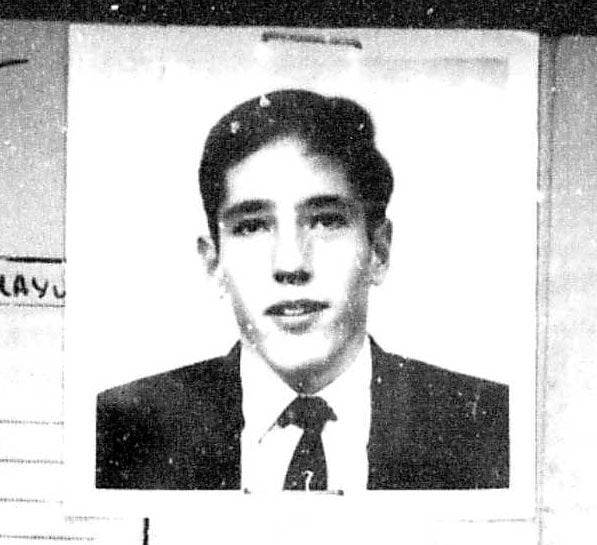
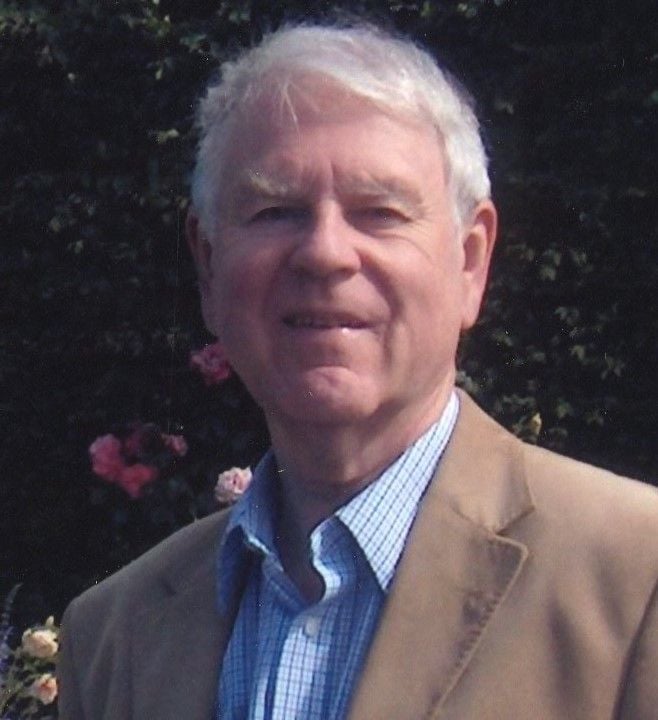
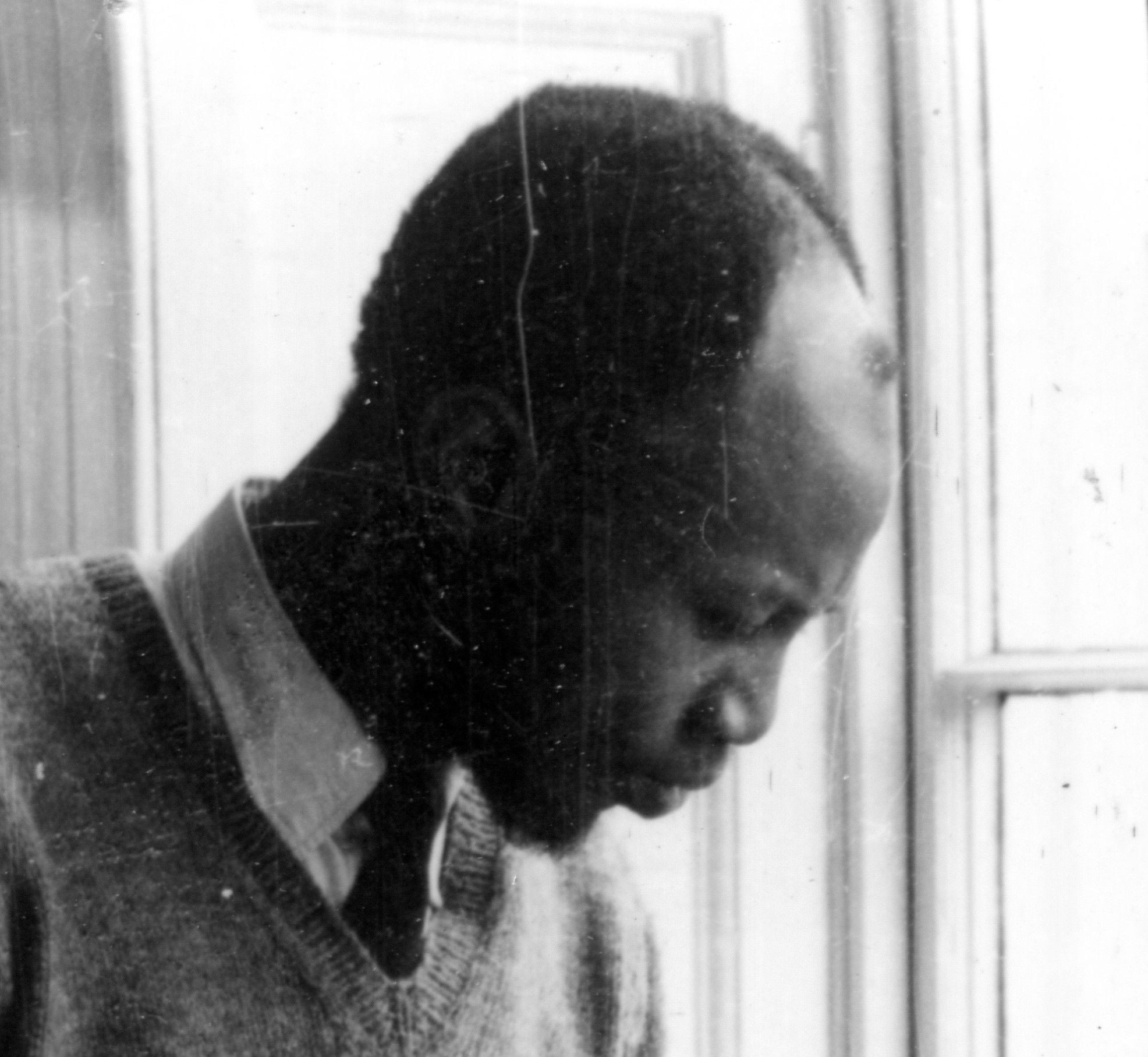
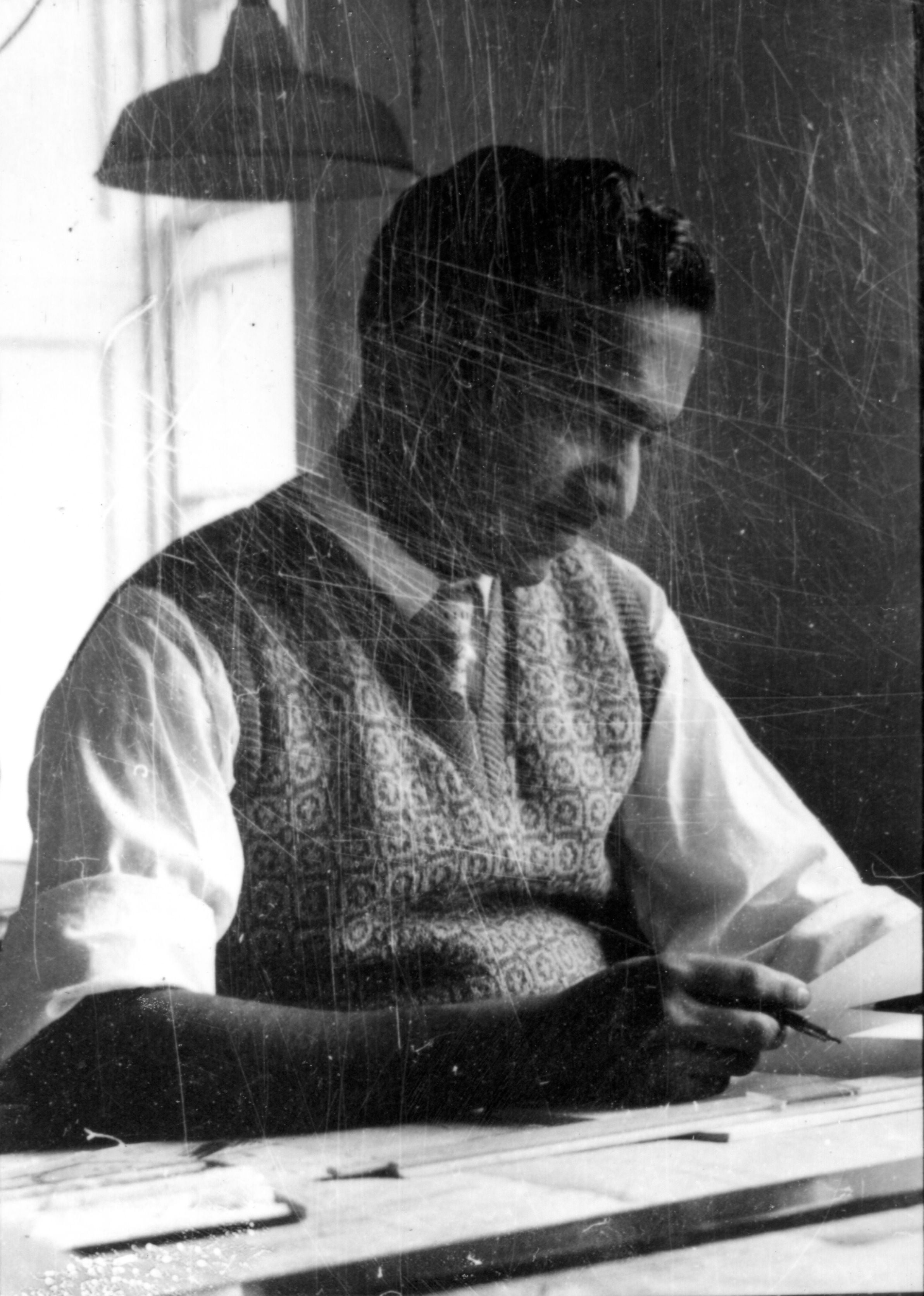
Daniel Dunham was born in Omaha, USA, in 1929. He was educated at Ripon College, Wisconsin, followed by the University of Wisconsin, where he undertook a Bachelor of Science degree (1948-50). After studying architectural decoration, at the Ecole Americaine des Beaux-Arts in Fontainebleau, in 1951, Daniel took up a role with the Atlas Construction Company, assisting in the supervision of the construction of an air base in Morocco (1951-53). A return to the US followed and in 1954-55 he worked on a Rockefeller Foundation supported solar energy research project based at the University of Wisconsin, investigating the application of radiant energy for cooking, refrigeration and simple engines (1954-55). This research was to result in his successful application for a US Patent for a solar cooker in 1957. In 1954 he had also enrolled at Harvard Graduate School, where he studied Architectural Design and Urban Planning, graduating in 1959 with an MArch degree. Alongside these studies, Dunham worked for a number of architectural practices, including Schoen & Hennessy (1957) and Steinhardt and Thompson (1958), in New York, and The Architects Collaborative, in Cambridge, Mass. (1959). During this period, Dunham also found time to work within Harvard Planning Office (Sept 1957 - March 1959) as an Assistant to the Planning Officer. Whilst at Harvard, Jacquelin Tyrwhitt advised Daniel to apply for a Fulbright Scholarship to study at the Architectural Association’s (AA) Department of Tropical Architecture. Having obtained the scholarship Daniel and Mary (his partner) set off from New York on the R.M.S. Mauritania and arrived at Southampton docks, in the UK, on the 10th September 1959. During his time at the AA, Dunham also continued his own independent research, travelling with his wife and two friends (including Nabil Tabarra, a Lebanese student in AA 5th Year) to Morocco, in the Spring of 1960 – driving a rented car all the way from London to Marrakech. After a two-week holiday, spent measuring temperature changes in traditional Moroccan courtyard houses, they returned to the AA and Daniel wrote up the research in what was to become an article in the New Scientist: 'The Courtyard house as a temperature regulator' (8th Sept., 1960). The research was also developed into a BBC radio programme that year. Following the completion of his studies at the AA, Dunham accepted the role of Chief Architect, heading a newly established architectural branch of Louis Berger Engineering, the major US engineering corporation, in Dhaka, East Pakistan (today Bangladesh). For a period of 2 years, under Berger’s leadership, the branch partnered with a local firm, The Engineers Ltd, and won a series of significant projects, including: the campus master-plan, Central Library, Medical Centre, Cafeteria and Sher-E Bangla Fazlul Huq Hall at Rajshai University; the Guest House, Shahajalal Hall and Vice-Chancellor’s Residence at Bangladesh Agricultural University, Mymensingh; the Administrative and Library Building at Governor Brojomohun College, Barishal. Other work included the development of designs for Kamalapur Railway Station – a project featured in the 2002 MOMA exhibition ‘The Project of Independence: Architectures of Decolonization in South Asia, 1947–1985’. Meanwhile, from 1962, Dunham also joined a team of four architects from Texas A&M University (partially funded by the US Technical Assistance Programme) to help establish the Faculty of Architecture at the new East Pakistan University of Engineering and Technology (EPUET, today BUET). Here he was responsible for curriculum planning and advising. He was also actively involved in teaching, running the First Year design course and, lecturing in architectural history, environmental design and climatology. In parallel, Dunham also worked for USAID, assisting the East Pakistan government’s Rural Public Works Department and was responsible for the design and the supervision of construction of coastal shelters, following the 1965 cyclone. This consultancy work continued, with Daniel being employed by the Ford Foundation from 1968-71, as a Housing and Training Advisor with the Calcutta Metropolitan Planning Group, involved in environmental and slum improvement designs, housing and infrastructure planning, sanitary and water supply, rural building, and training programs. Dunham pursued his interests in planning and competed a Masters of Planning at Colombia University, staying on as an Adjunct Professor from 1973-1983 and running courses on ‘Tropical Architecture’, ‘Planning Problems in Developing Countries’ and ‘Solar Energy Applications. In 1978 he was also responsible for the design of the curriculum for the Development Planning diploma course at the University of Sri Lanka. From 1985 through to 2000 Dunham was to continue to teach at the City University of New York, focussing again upon issues related to ‘Tropical Architecture’ and planning in ‘developing’ regions. Consultancy also remained a constant thread through Dunham’s career and during the 1970s-80s, he worked across Djibouti, Somalia, Mauritania and the Caribbean, in addition to Bangladesh, employed by a range of NGOs and institutions including the ‘Indo-US Subcommission on Education and Culture’, ‘Save the Children’, ‘USAID’ and ‘Volunteers in Technical Assistance’. His archive is today preserved as the ‘Daniel C. Dunham papers’, within the archival collections of the Columbia University Libraries.
Sources:
- Architectural Association Student Register, 1959-60. AA Archives.
- Architectural Association Diploma Roll Book, 1959-60. AA Archives.
- Daniel C. Dunham papers, 1955-2021, Department of Drawings & Archives, Avery Architectural and Fine Arts Library, Columbia University.
- Dunham, D. 'The Courtyard house as a temperature regulator' New Scientist, Vol. 8, 8th Sept., 1960, p663-666.
- Dunham, M.F. ‘Some Weep, Some Laugh: Memories of an American Family in Dacca 1960-67’. 2nd edition e-book, 2019, published online. Accessed 24th March, 2026: https://dunham-family.com/wp-content/uploads/2020/02/Memoirs-v2-20190709-spread.pdf
- ‘The Project of Independence: Architectures of Decolonization in South Asia, 1947–1985’ Museum of Modern Art, New York, 2002
- Personal correspondence, Kate Dunham to Edward Bottoms, August 2023.