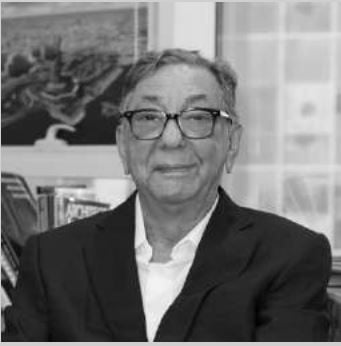
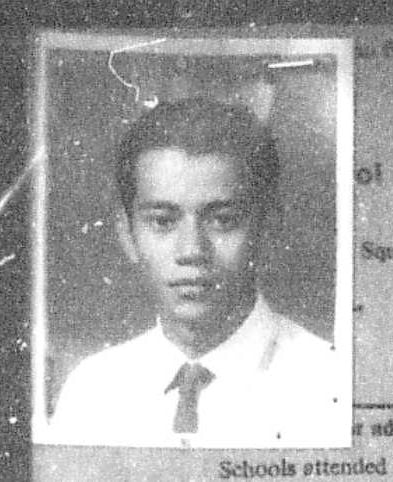
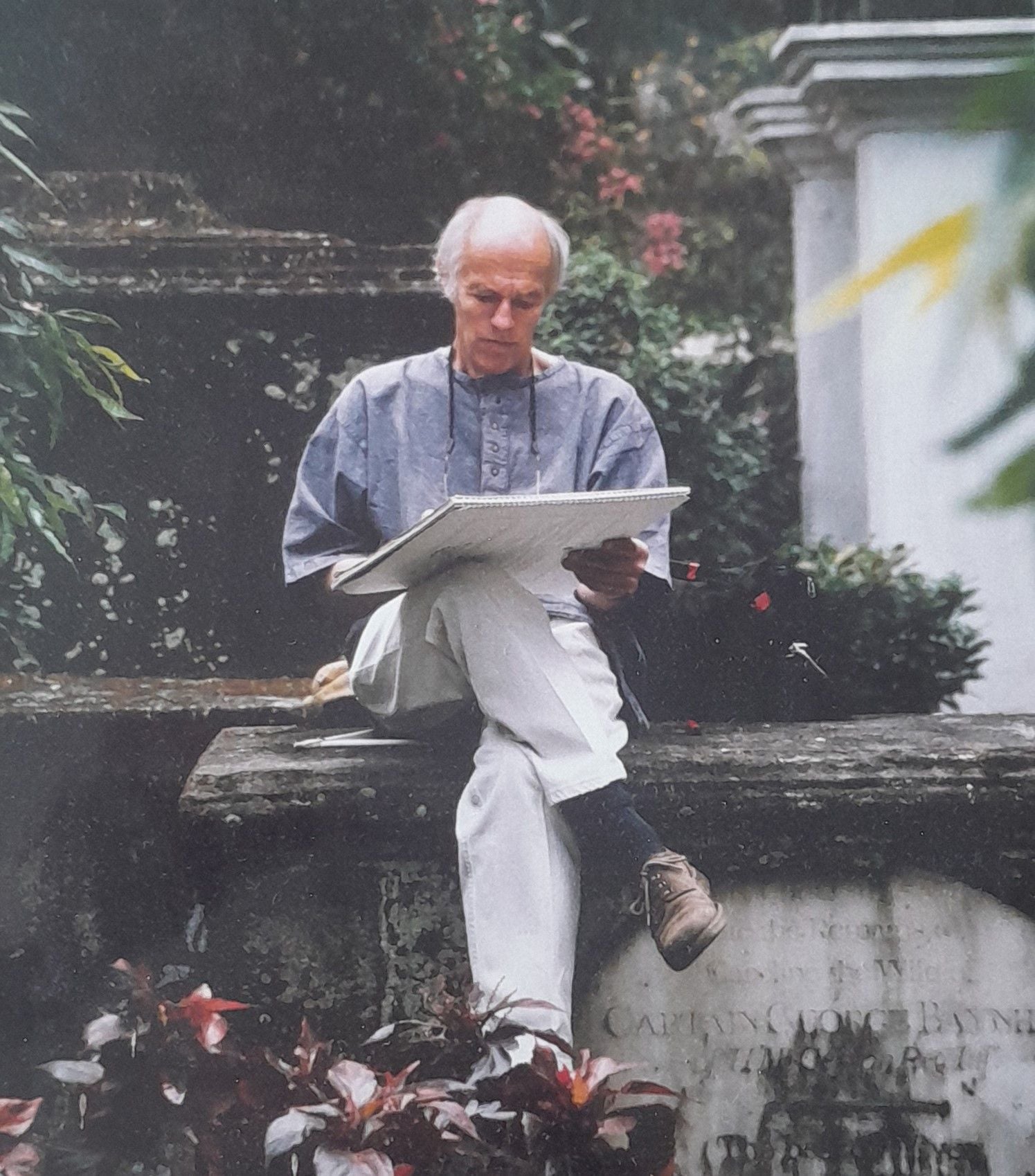
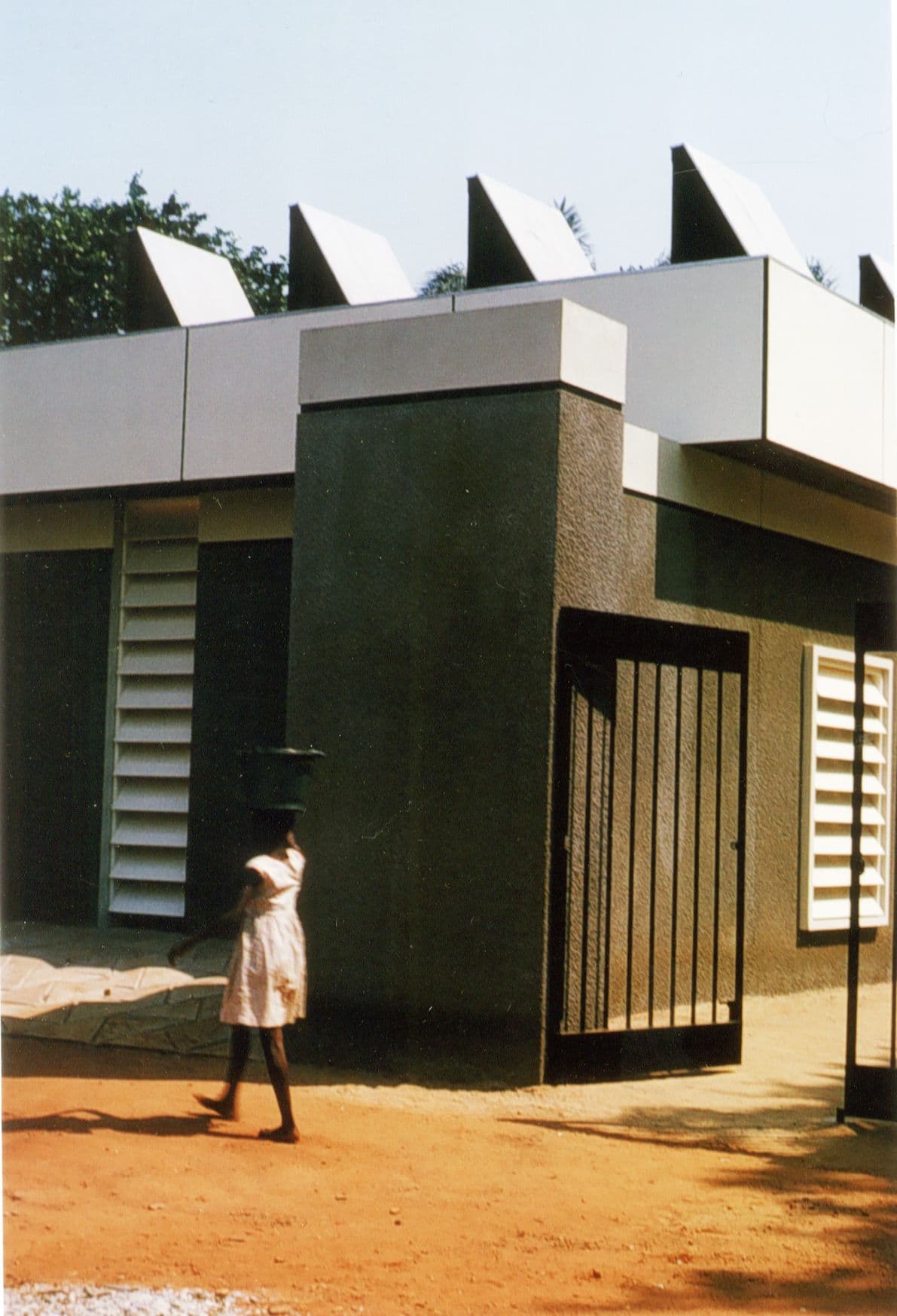
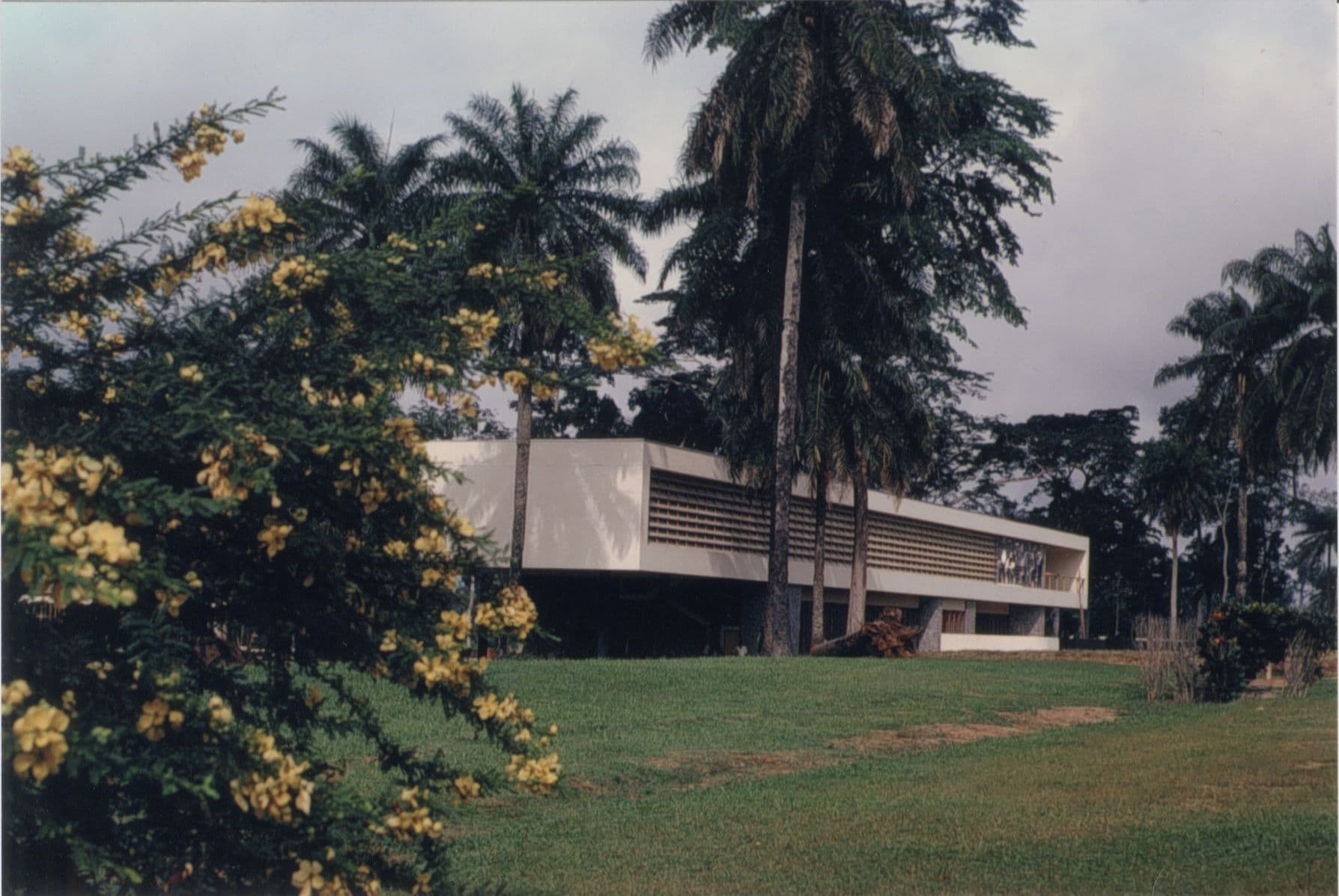
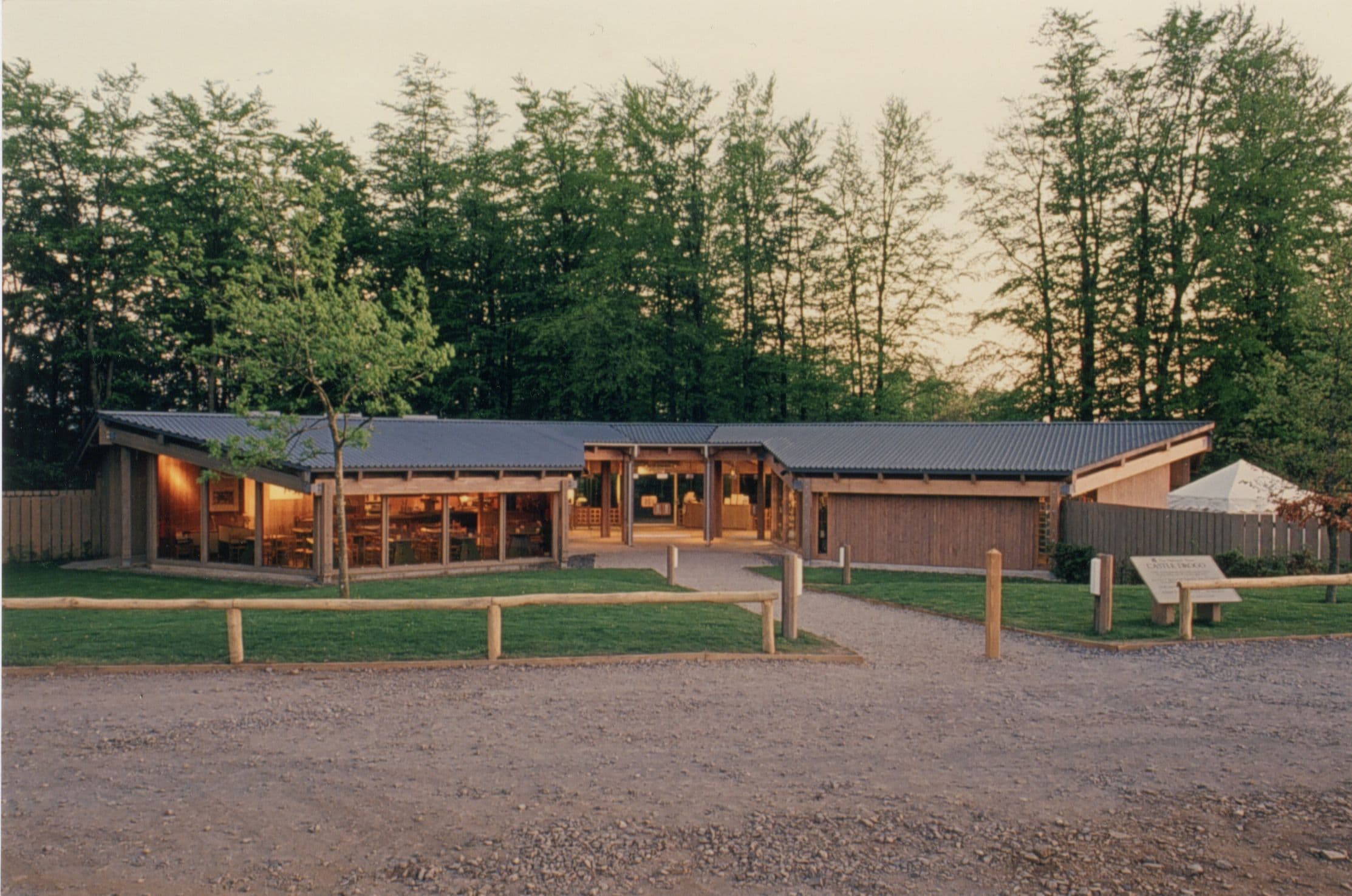
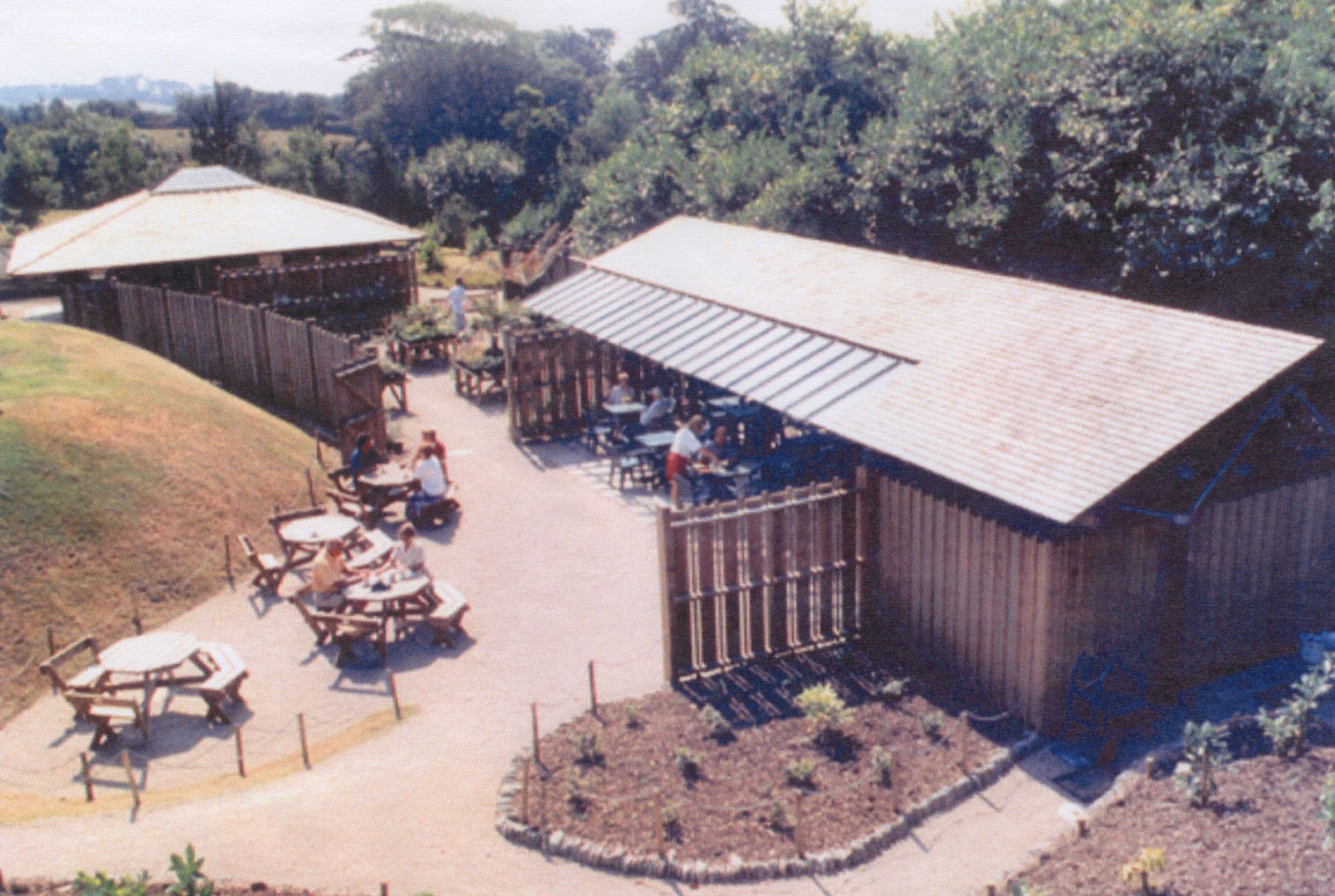
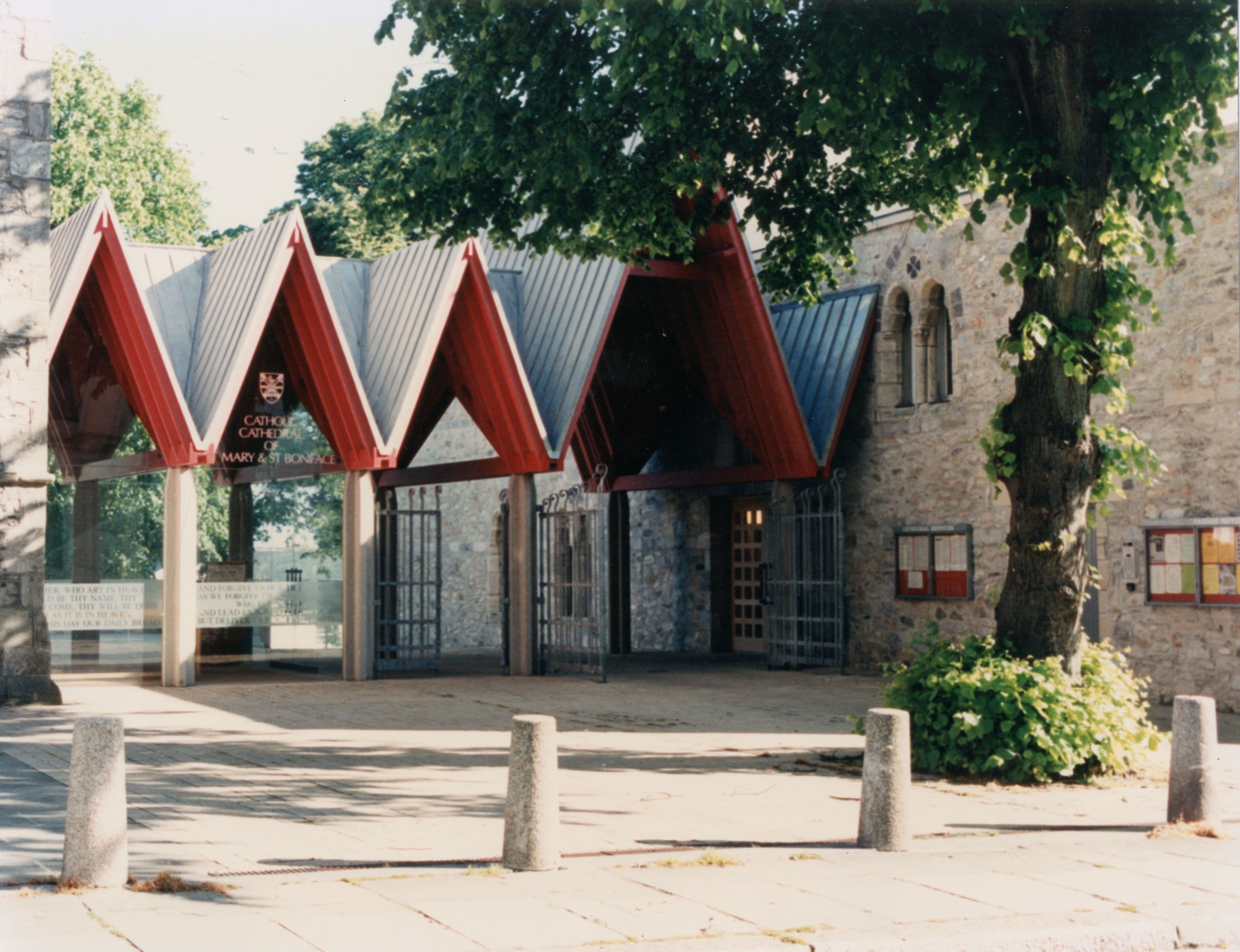
Anthony John Harrison was born in London, in 1938, and grew up in Putney, Barnes and Wimbledon, the son of a prominent architect, J.E.K Harrison. He was educated at St. Benedict’s School, Ealing, and always wanted to be an architect, enrolling in 1957 on the five-year Diploma course at the Architectural Association, in London. The recipient of a Holloway Scholarship, Harrison was a strong student and in 1961 won an AA travel scholarship in order to visit the Crusader castles in the Middle East, in the company of two AA colleagues, Simon Sprent, Gerard Bakkar and a friend from Cambridge, John Baylis. The group travelled by Land Rover (stencilled with ‘Architectural Association Expedition to Jordan’ on the side), setting off from London in early July 1961 and driving through Europe to Turkey and Jordan. On the 24th July, enroute to Petra, their vehicle overturned, falling 40 feet down a hillside and injuring all occupants - Simon being flung out and later discovered unconscious. With the assistance of Bedouins, the students were helped to the nearest hospital, arriving 5 hours after the accident. After several days they were transferred to the Palestine Hospital, in Al Abdali, Amman, where Simon was diagnosed with a broken back, with multiple fractures. His entire torso was placed in plaster and he was later to fly home. The Land Rover was miraculously recovered and repaired and Anthony and the others continued their trip, their route taking them through Palestine, Israel, Syria and Lebanon. They managed to see a dozen castles, including Krak des Chevaliers, Margat, Saone, Masyaf, and Byblos, often sleeping inside the ruins. In September they returned by ship to Athens, then back through Venice, Switzerland and Strasbourg, arriving just in time for Anthony to start his AA 5th Year. For this final Diploma year, Anthony elected to study within the AA’s Department of Tropical Studies - a choice presumably influenced not only by his travels but also his knowledge and experience of his father’s practice, which had been operating in Nigeria since the 1950s. Anthony duly graduated in 1962, earning the coveted AA Diploma Honours. For the summer vacation, he then set out to Turkey once more and took the role of site architect on an archaeological dig at Alahan, a 5thC monastic site in the Taurus mountains. From 1963-66 he worked for his father’s practice in Ibadan, running the branch and overseeing projects including several branches of Barclays Bank, at Ibadan, Benin, Warri, Ilorin, Asaba and Sokoto. Other projects also included work on the Mid-West Technical College, Auchi, offices for the British Deputy High Commission and facilities for Edo College, Benin. In 1967 he returned to London and worked for a year with Norman and Dawbarn, before flying back to Nigeria to join Architects’ Co-Partnership (ACP), as replacement staff following the tragic car crash in Tunisia that killed ACP partner, Leo De Syllas. Anthony’s work, in this capacity involved supervising the construction of three schools in Tunisia, funded by the World Bank, one at Gafsa, on the edge of the Sahara, one in the mountainous region around El Kef, and one at the Mediterranean port of Sfax- their designs adapted to the different climatic conditions. From 1969-70, Anthony worked for Peatfield & Bodgener in Kampala, Uganda, supervising the building of 12 rural hospitals, before returning to his father’s practice in Nigeria, where he worked on the students’ union building and sports facilities at the University of Ife (now Obafemi Awolowo University). Following the 1974 Nigerian coup, Anthony came back to the UK and settled in Devon, opening the Harrison Sutton Partnership in Totnes’ with his father and his friend, Pedro Sutton. Anthony, and the practice were committed to the local community and did much to ensure the preservation and conservation of the historic character of Totnes, their Totnes Waterside scheme of 1985 winning a Civic Trust commendation. Other major projects included sheltered housing, including Totnes Alms Houses (1992) and Wakefield Court Alms Houses (2000), alongside five visitor centres for the National Trust, at Castle Drogo, Llanhydrock, Glendurgan, Trelissik Garden and Lydford Gorge. What began as a commission to design an entrance link building at Plymouth Cathedral developed into a full-blown brief to re-order the interior of the cathedral, including the altar, furniture, seating and light fittings (1994). For this work, the practice was awarded the Abercrombie architectural design award. A talented painter, jeweller, silversmith, glass engraver and carpenter, Anthony was constantly creative and socially engaged - in his later years designing and supervising the construction of a village for homeless children, outside Kolkata, India, for the charity Future Home.
Sources
- Architectural Association Student Register, 1961-62. AA Archives
- ‘New Bank for Barclays DCO at Ibadan, Nigeria’, West African Builder, Vol. 1, No. 2, June 1961, pp.120-124
- Personal correspondence and interview, Ski Harrison with Edward Bottoms, September 2024 – March 2025
- Anthony Harrison, ‘Journal For Summer 1961, Travels in Turkey, Jordan, Syria And The Lebanon’, private collection.