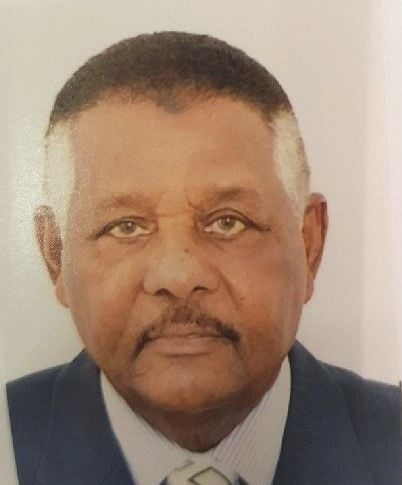
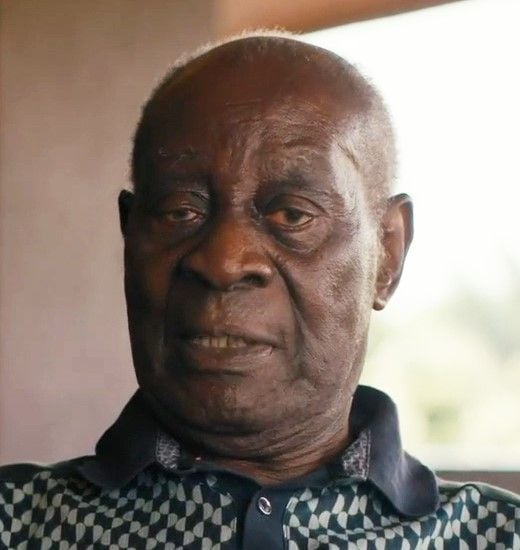
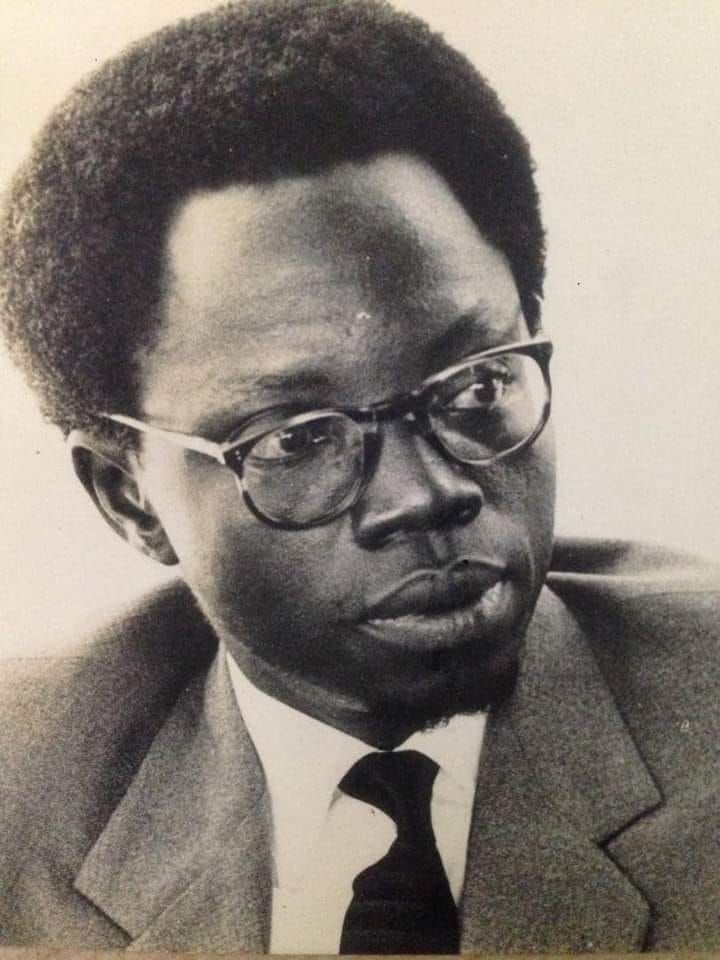
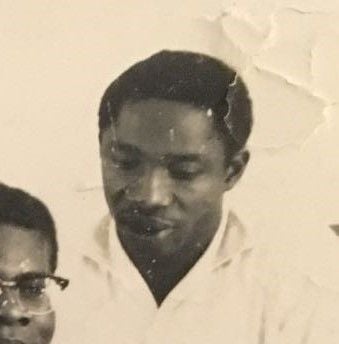
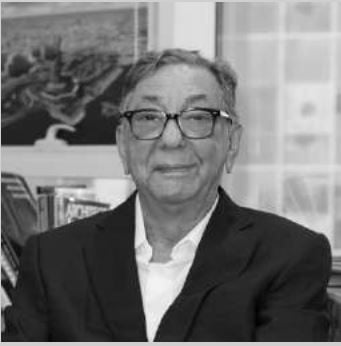
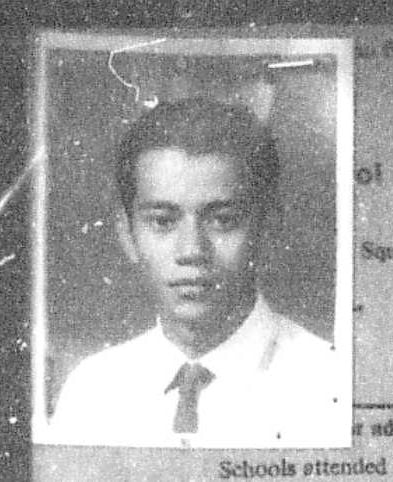
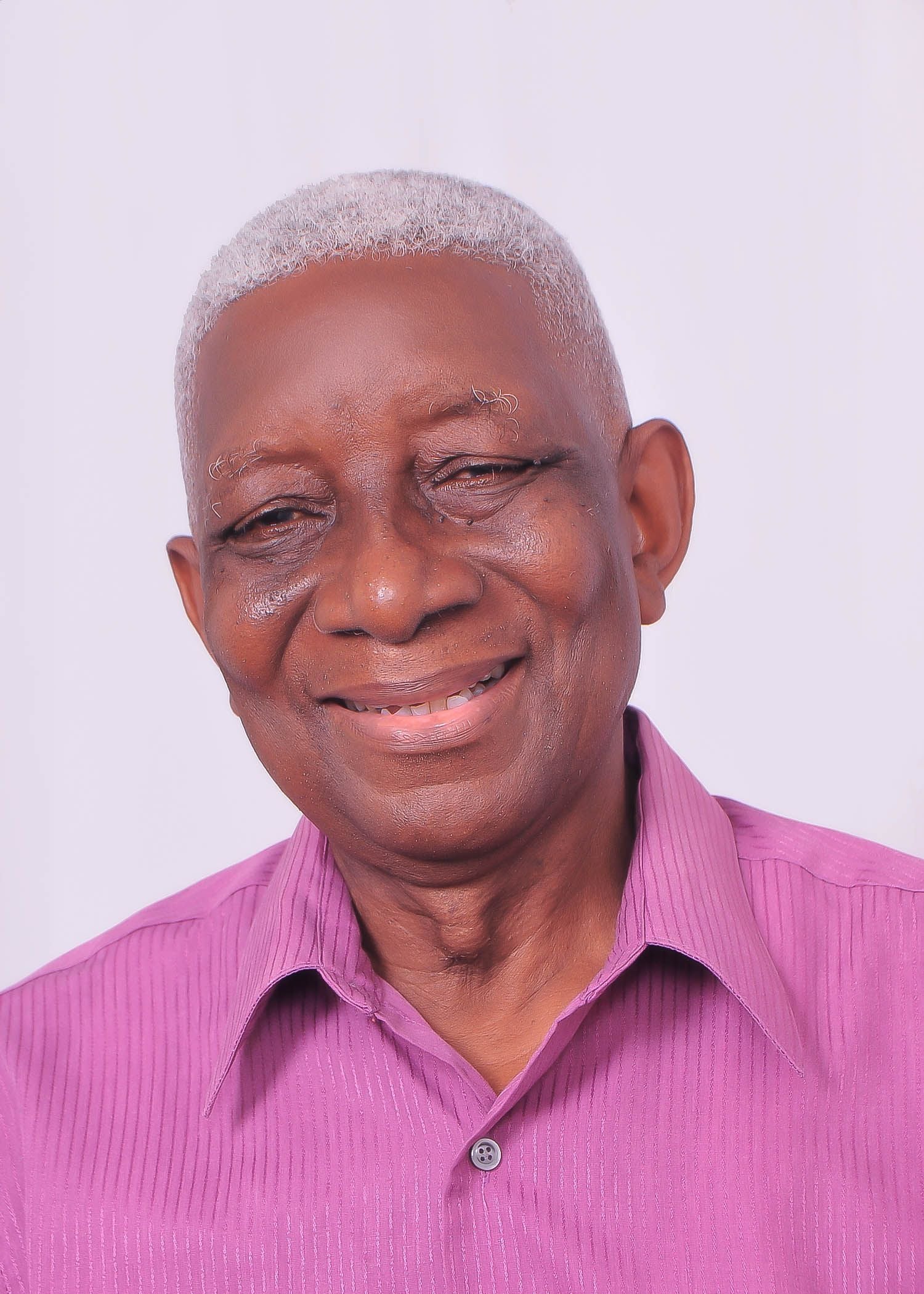
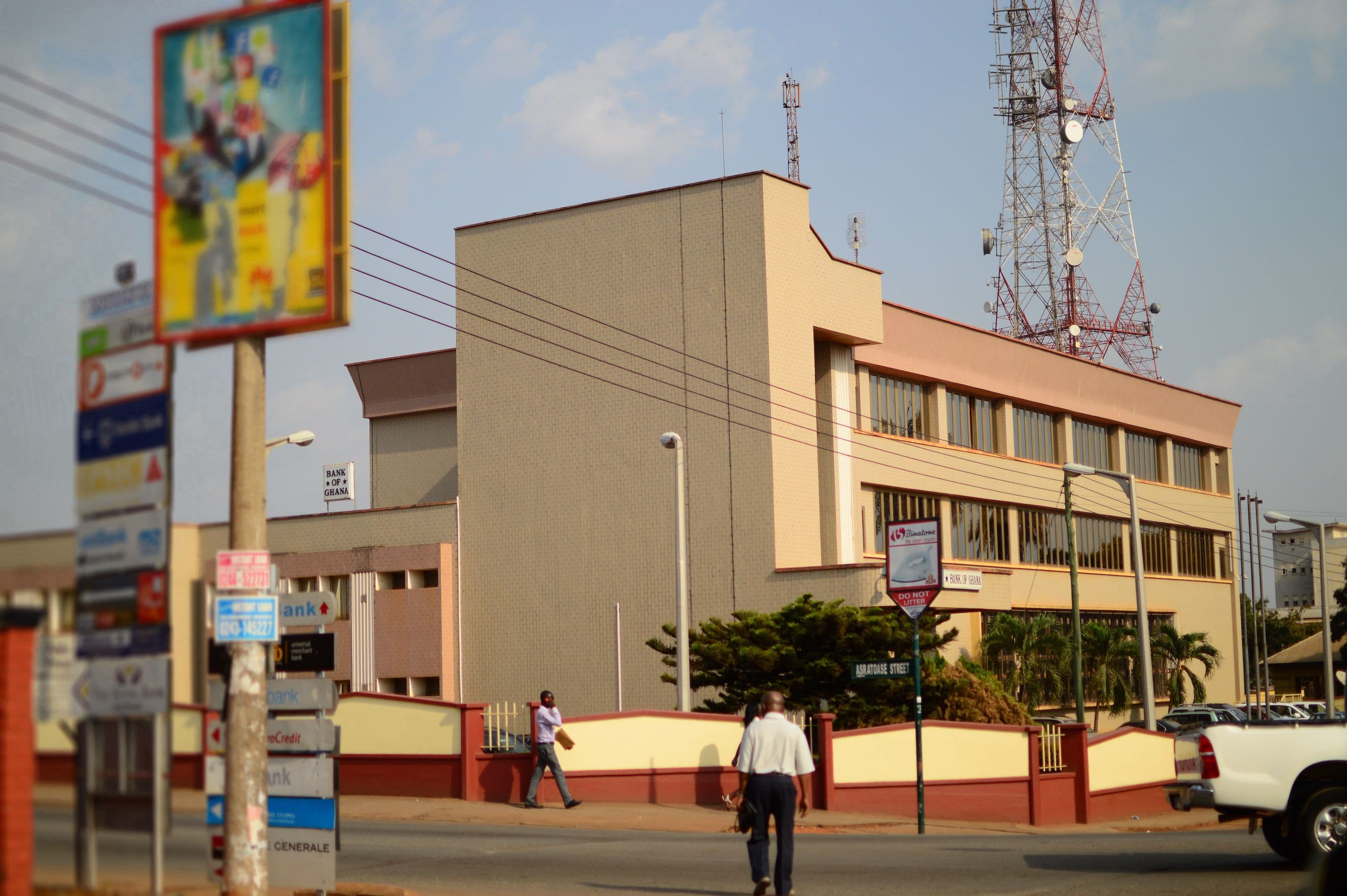
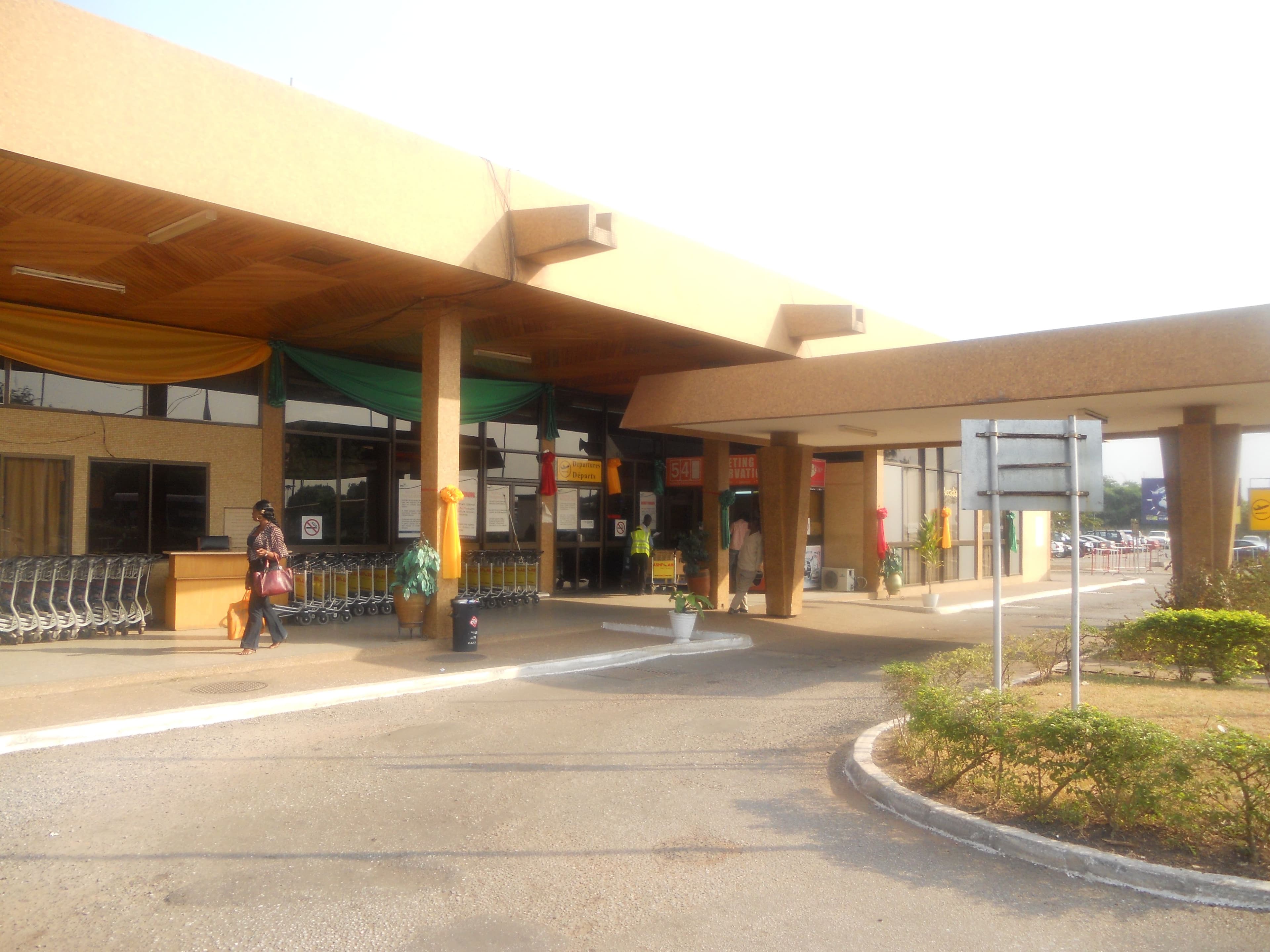
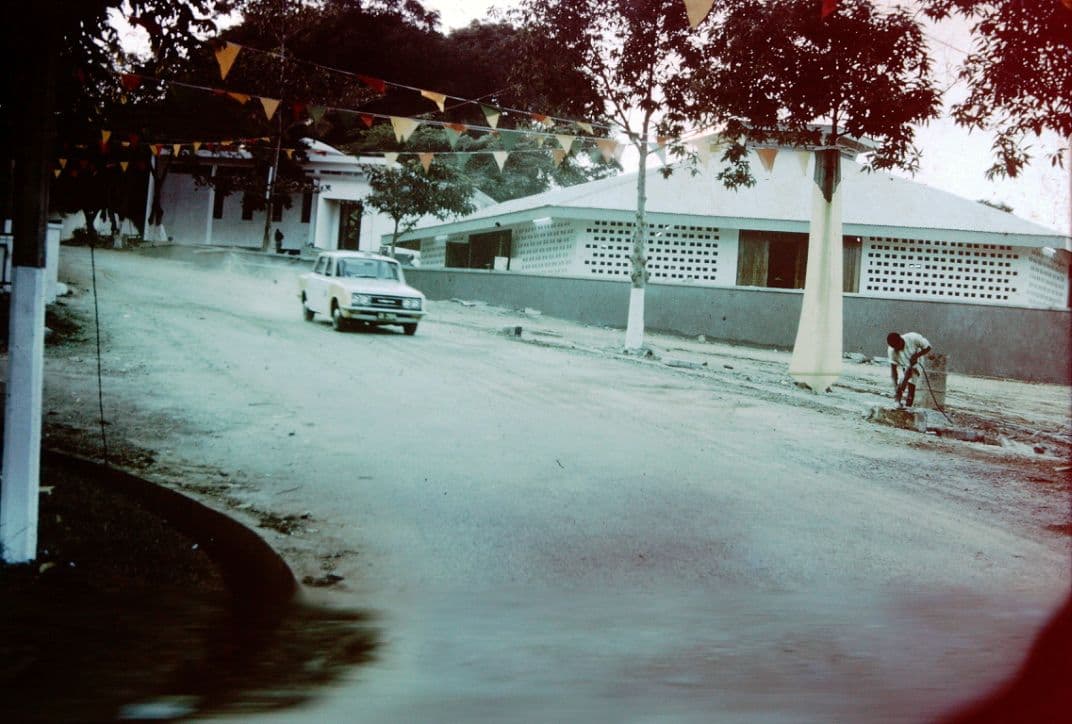
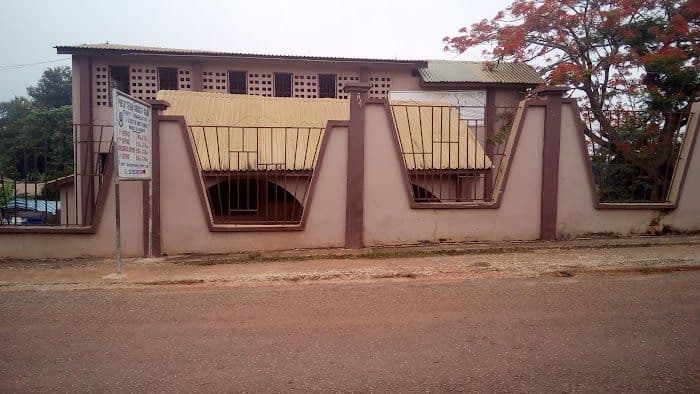
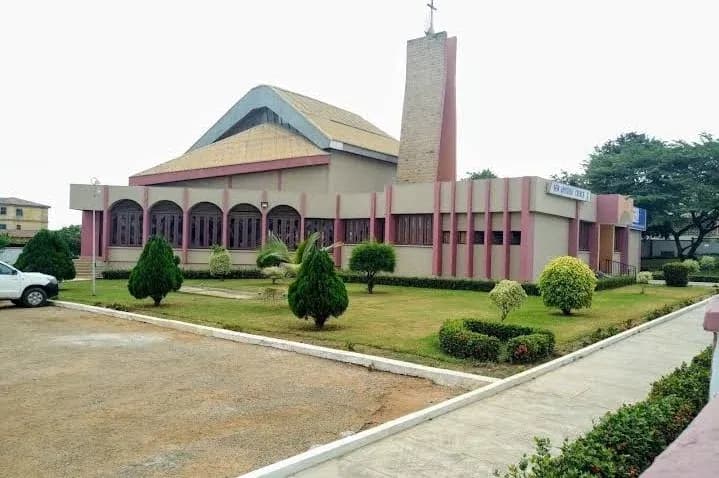
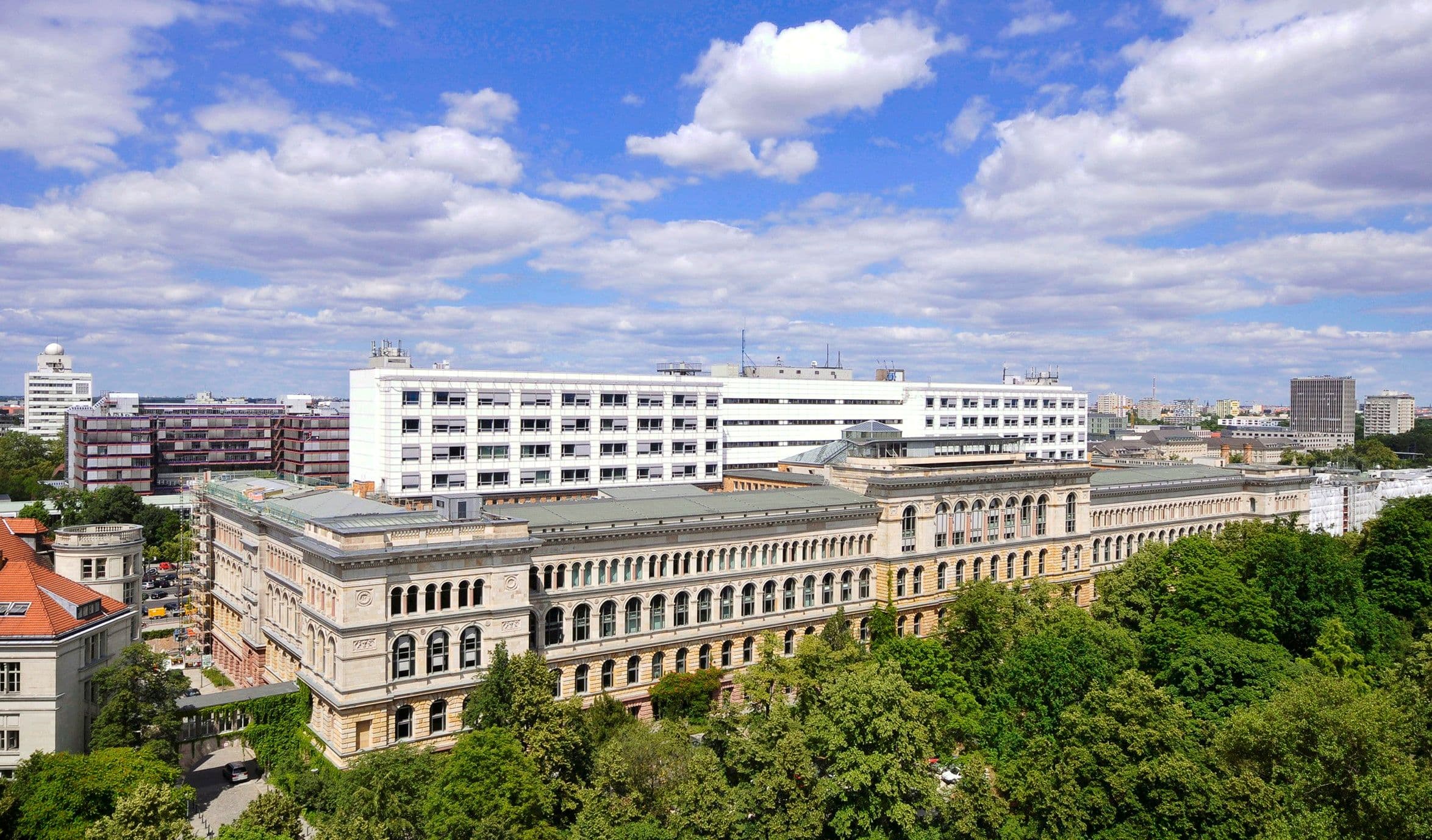
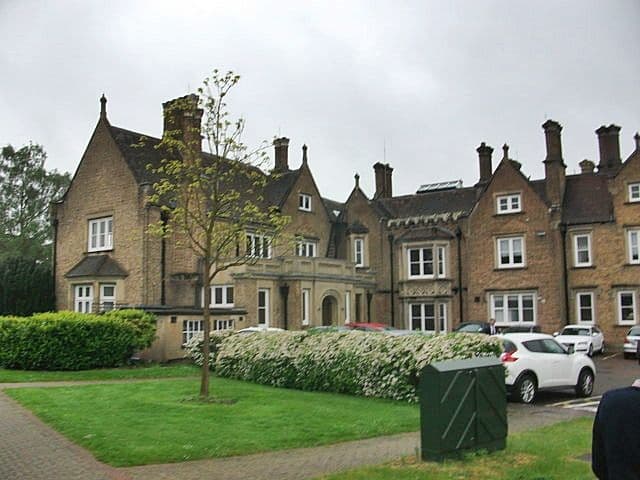
Samuel Kwadwo Opare Larbi was born in 1938 in Kokoteasua, in the Ashanti Region of Ghana. He attended school at Omenako, an hour and a half’s walk from his parents’ home, before studying at the Accra Academy, a boys’ high school at Bubuashi, Kaneshie, Ghana (1953-57). In 1959 he gained entrance to Kumasi College of Technology (Kwame Nkrumah University of Science and Technology, KNUST since 1961), to study architecture on a 4-year course leading to Part I of the RIBA professional qualification. In 1962 he was selected to go on a student exchange programme to West Germany, the group consisting of 5 Ghanaians and 5 Nigerians. They visited the Alps, and various German cities, universities and institutions. Larbi was attached to the office of Hans Poelzig at TU Berlin, where he worked on his Hermann Rietschel Institute for Heating and Ventilation. The exchange programme also provided a valuable opportunity for Larbi to view the Berlin Building Exhibition and to see the Berlin Philharmonic, by Hans Scharoun, which was then under construction. On his way back to Ghana, Samuel also took the chance to spend two weeks enjoying Cairo, arriving back home in November 1962. He was then employed at KNUST, working for the Building Research Unit. In September of 1963 he was part of a cohort from KNUST who were selected as one of a group of students on an exchange programme between with the Architectural Association (AA), in London - the two institutions having entered a contract to work together to develop the architecture programme at KNUST. Accordingly, Larbi entered the Third Year of the AA’s five-year Diploma programme, living initially in Stroud Green together with his fellow KNUST compatriots, John Nutsugah, Francis Segbedzi and Christopher Mensah. Larbi progressed through the Diploma course, taking time out to gain practical experience, with placements at the practices of Chamberlain, Powell and Bon (working on the Barbican complex), Robert Mathew Johnson Marshall and Yorke, Rosenberg and Mardall. As part of his final year of his AA Diploma studies, in 1967-68, Larbi elected to join the programme of the AA’s Department of Tropical Studies, where he flourished, his “transparent intellectual honesty coupled with an ability to work extremely hard” being praised in his July 1968 Session Report, preserved within the AA Archives. Upon graduation, Larbi was awarded a 9-month bursary by the UK Overseas Development Agency, enabling him to work at the UK Building Research Establishment (BRE), at Garston, resulting in a BRE Occasional Paper on daylighting. He subsequently returned to Ghana and by 1970 had taken up a teaching post at KNUST and worked in the projects office (where the working drawings for Cedi House, Kumasi, were prepared under John Owuso Addo). Three years later, Larbi entered private practice joining his two KNUST and AA colleagues, Francis Kobia-Amanfi and Walter Akude, in founding Kobaku and Associates Chartered Architects. The practice was to operate two branches, one in Accra, led by Akude and Kobia-Amanfi, and another in Kumasi, led by Larbi. Over the next three decades the practice developed into one of the most significant Ghanaian firms and Larbi worked on a number of civic and cultural buildings – he was responsible for the preparation of the master plan for the National Cultural Centre, in Kumasi and designing and supervising the construction of Quashi Idun Hall, the open air theatre and the administrative and conference block. Other civic buildings he worked on include the Kumasi Metropolitan Assembly buildings and the Manhyia Palace Museum and Archives (the latter project in collaboration with Owuso Addo). Larbi also designed a number of libraries, some of his most important being the library extension at KNUST (in association with the Architectural Design Partnership) and the library at Prempeh College, Kumasi. Other educational projects include the School of Medical Sciences at KNUST and the Vocational Training Center and extension to Abiriw Presbyterian Primary School. Hospitals and clinics were an important part of his practice, with key examples being the Aninwaa Clinic, at Emena, Kumasi, the Siaw Larbi Clinic, at Tafo and the Academy and Lwapong clinic in Kumasi. He also was responsible for the Doctors’ Housing Project at the Central Hospital, Koforidua. Larbi also designed at least three Presbyterian Churches, notably at Patase, Abiriw and Bomso, alongside being the supervising architects for the New Apostolic Church at Kumasi. Within the commercial sector, Larbi worked on a series of bank office refurbishments in Kumasi, namely the Bank of Ghana (phases I and II), the National Investment Bank and the Barclays Bank. The latter project was developed with Avanti, a practice which he was also to collaborate with on the design for the Ghana Commercial Bank building on Harper Road. In addition, Larbi was also in demand as a designer of private residences. In 2008 his dedication to architectural education and practice was rewarded with a prestigious Lifetime Achievement Award from the Ghana Institute of Architects.
With grateful thanks to Korantemaa Larbi, Ohenewaa Larbi Ahima and Pauline Brobbey
Sources
- Architectural Association Student Register, 1945-71. AA Archives
- Architectural Association, Registrar’s Office student records, 1963-68. AA Archives
- Architectural Association Diploma Roll, 1968. AA Archives
- Architectural Association Membership Register, 1979
- ‘Samuel Kwadwo Opare Larbi: Celebration of Life and Works’ 2017
- Larbi, S.O. ‘Makers: Samuel Opare Larbi AA Dip., ARIBA, FGIA’, 6th March, 2013, Design233 website. Accessed 1st April, 2026: https://www.design233.com/articles/samuel-opare-larbi